
Let’s be honest: project management without a framework is just a high-stakes exercise in group therapy mixed with uncontrolled shouting. You’ve got stakeholders changing their minds like they’re picking outfits for a first date, budgets shrinking faster than an ice cube in a toaster, and a team looking at you like you’re supposed to pull a rabbit out of a hat.
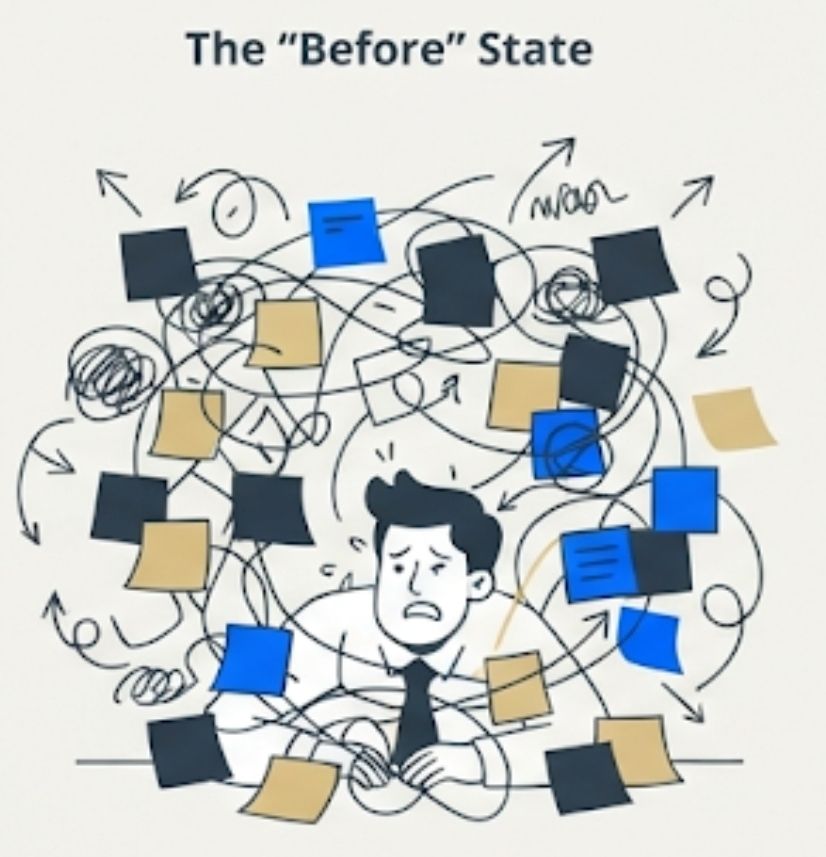
Enter the Project Management Professional (PMP)® certification.
Why the PMP Isn’t Just Another Expensive Piece of Paper
Look around the UK market, and you’ll see plenty of nods toward local traditions like PRINCE2 or the APM’s ChPP. They’re fine, they have their place, and they love a good process chart. But here’s the reality check: the corporate world doesn’t stop at Dover. When multinational enterprises, global tech giants, and massive transformation initiatives look for leadership, they don’t look for domestic compliance—they look for global currency.
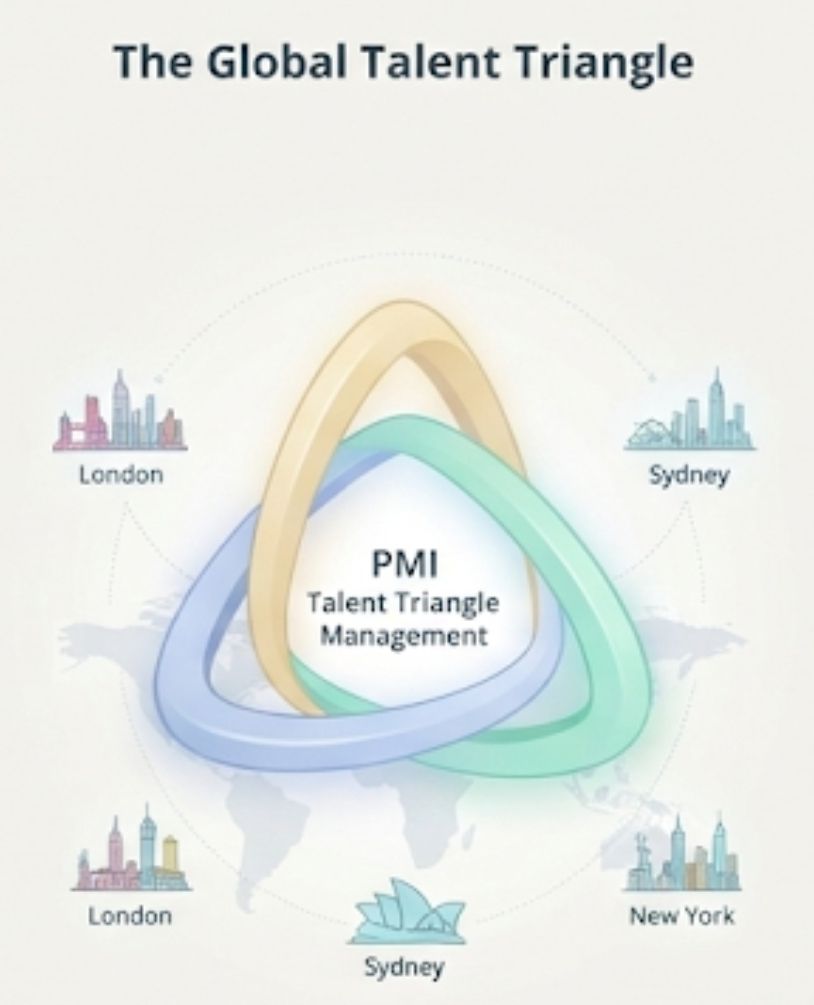
- Global Mobility: The PMP is recognized from London to Sydney and Tokyo to New York. It signals that you don’t just know how to tick boxes for a single regulatory body; you know how to drive value delivery across predictive, agile, and hybrid environments.
- The Shift to Value and Principles: Grounded in frameworks like the PMBOK® Guide (Eighth Edition), modern project management has evolved past rigid administrative micromanagement. It’s about navigating performance domains—People, Processes, Business Environment, and Systems Thinking—ensuring that what you build actually translates into real-world business value.
The PMP Survival Guide: Step-by-Step
Deciding to get certified is the easy part. Actually doing it requires a plan that won’t make you want to throw your laptop out of a window. Here is the operational blueprint:
- Check Your Credentials (The Prerequisite Reality Check): Before you start stressing over exam questions, PMI wants to know you’ve actually been in the trenches. You need 36 to 60 months of leading projects (depending on your degree) and 35 hours of project management education.
- The Application Audit Lottery: Submitting your application can feel like filing your taxes while blindfolded. Translate your real-world experience into professional terminology—meaning instead of writing “herded cats for six months,” you write “managed cross-functional stakeholder communication baselines to mitigate scope creep.”
- Studying Without Losing Your Will to Live: Do not try to memorize the entire PMBOK Guide cover-to-cover unless you enjoy reading legal disclaimers for fun. Focus on situational mindsets and adaptive/hybrid lifecycles.
- Exam Day (The Final Boss): 180 questions in 230 minutes. Take your breaks, pace yourself, and remember: when in doubt, choose the answer that promotes transparency, stakeholder engagement, and value delivery.
The UK Market Edge: While traditional UK bodies focus heavily on local compliance, pairing your PMP with modern competencies like AI Governance and Benefits Realization positions you as a forward-thinking enterprise leader rather than an administrative gatekeeper.
Why the UK Market Needs a Global Shift
Here in the UK, we love a cozy local standard. But the corporate landscape is shifting. Organizations are under immense pressure to squeeze actual productivity out of digital transformation and AI integration. Sticking strictly to legacy, bureaucratic frameworks leaves professionals vulnerable to administrative gridlock.
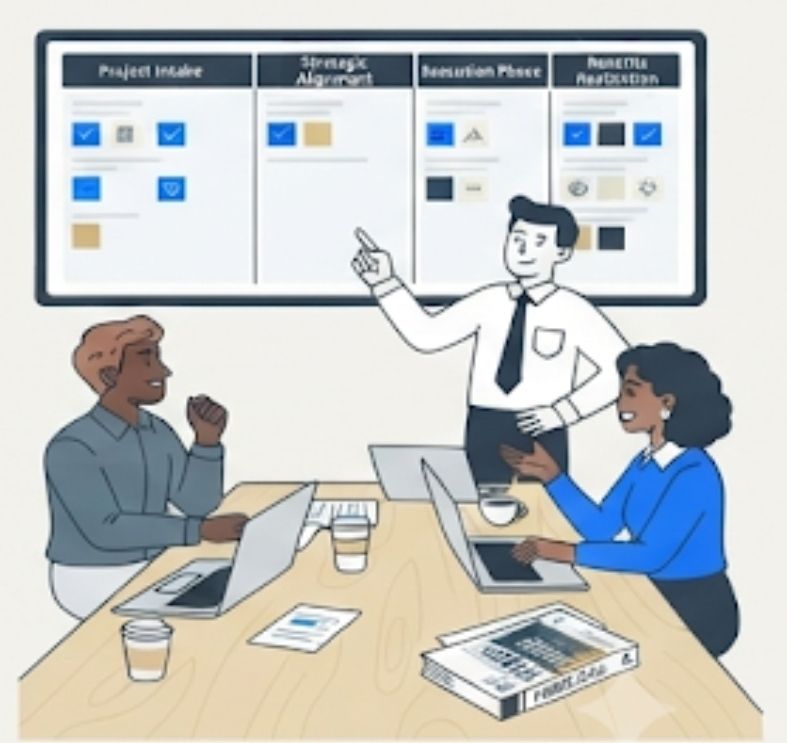
By combining rigorous global standards like the PMP with cutting-edge competencies—like business analysis, benefits realization, and AI governance—you stop acting as a project “administrator” and start acting as a strategic enterprise leader.
Join the Conversation
Are you currently debating between local certifications and global mobility? Have you stared at a network diagram until your eyes crossed? Drop your thoughts or questions in the comments below, join local chapter study cohorts, and let’s stop just managing projects—let’s make them indispensable.


Leave a Reply